CAUTION: If you live in a warm region ask for special planting instructions!
Welcome to the Afghanistan Crocus Sativus Project
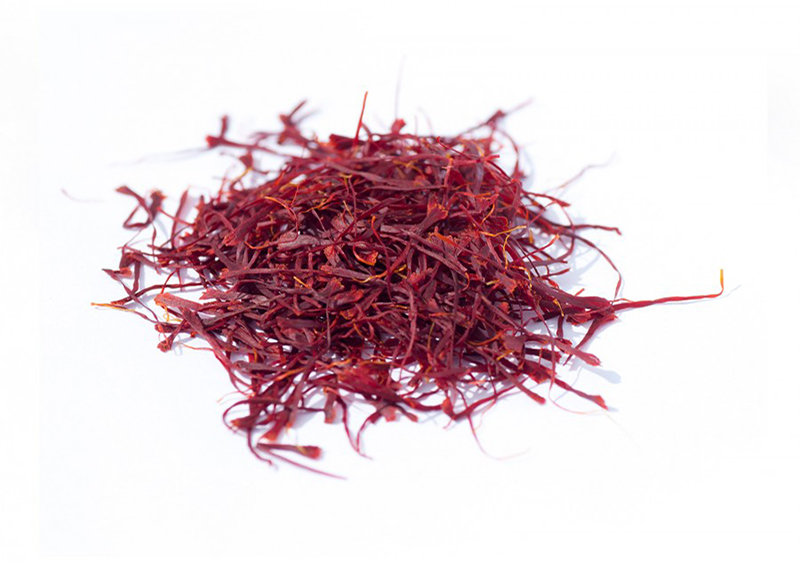
These instructions must be followed carefully so that all Crocus Sativus fields are planted in the same way. Remember, when your Crocus Sativus bulbs bloom you will proclaim the arrival of Gold in your community. Therefore, your field must be planted in a place that best represents the general climate of your region. A beautiful flowering saffron field is easy to achieve and a sure sign that gold is on its way. Outstanding feature of the flower is the three-part, brilliant red stigma, 25—30 mm long Pale lilac flowers appear in autumn and may occur before, at the same time as, or after, leaf appearance (Mathew The outstanding feature of the flower is the three-part, brilliant red stigma, 25—30 mm long, which droops over the perianth segments. Saffron is predominantly used to give colour, Plant New Bulbs Each Year New bulbs must be planted each year for continue you project. This is because you get new fields every year Crocus sativus growth in the second year in a flower bulb, that gives saffron. Planting ones a lot could not be controlled so the experiment would not be reliable. Therefore, you must plant at least a 500 kg or more new bulbs each summer for your "official" saffron farm.
What Kind of bulbs to Plant All fields must be planted with the same variety of bulbs, the Dutch variety. This is because different crocus sativus bulbs varieties bloom at different way and times in the fall. They are categorized as "Spanish", “wild blooming" and "Holland varieties. Since growing sales exchange Afghanistan will announce the best saffron in Afghanistan, a "Holland variety is recommended
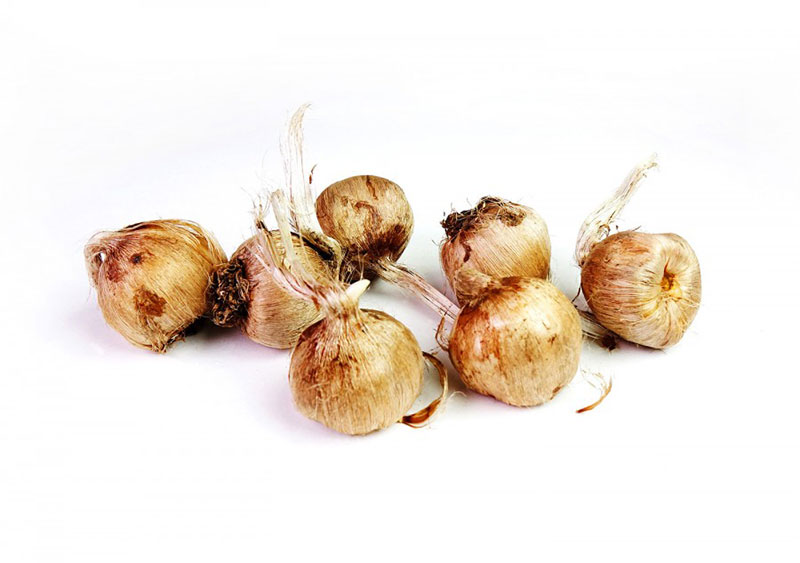
 Saffron Bulbs are split into two categories: flowering Bulbs & non flowering Bulbs. We will be talking about flowering bulbs that are planted in the summer and bloom a little in the fall. Selecting Bulbs As a general rule, the biggest is the best for flowering in the first second year smaller size is needed for third fourth years flowering. Quality bulbs should be heavy and large for their size. If the bulb has a few nicks in it, that's fine and just part of the harvesting process. You should avoid bulbs with large deep cuts or bulbs that are showing signs of rot, especially near the bast. Blue mold is a sign that the bulbs have been wet at some point, but is not critical unless it is associated with a soft to the touch feel.
When to Plant Your crocus sativus bulbs Planting must take place before 15 September. As a rule of thumb, crocus sativus bulbs should be planted several month before the first frost.
Where To Plant Your field soil pH data collected from saffron-growing regions around the world indicate the range of conditions under which saffron can be grown successfully PH 5-6,5 is needed for success in saffron farming Exposure: For consistency, saffron field must NOT be planted near the foundation of a building, in heavy shade, or on steeply sloped ground. This is because areas near buildings or on south-facing slopes warm up more quickly than do the surrounding areas. This would cause your bulbs to bloom earlier than they should in open fields and on that way the saffron stay to short. Similarly, north-facing or heavily shaded areas would cause a delay in blooming and before you know there is rain and frost and your saffron is damage. Saffron bulbs can be planted in full sun , but should not be planted in heavily-shaded areas
Drainage: Bulbs need good drainage because they will rot if they sit in moisture. Therefore, plant them in well-drained soil and/or on slightly sloped ground. As a rule of thumb, avoid planting bulbs where water stands after a rain. A good loam soil is best. If the soil is heavy clay, add organic matter such as compost or peat moss to loosen it. How to Plant Your Saffron Bulbs For simplicity, saffron bulbs can be planted in a ridge rather than bed. The entire ridge should be planted at the proper depth, as specified below on the picture It is a good idea to fertilize bulbs by adding bone meal and mixing it well with the soil. If you choose to plant bulbs individually, either a peace of wood or a bulb-planting tool can be used
Depth & Spacing: Bulbs in all growing sales exchange field should buried so that the base of each bulb is exactly 15-25 cm underground. (Blooming time can vary by a week or two if bulbs are not planted at the same depth. In fact, field who want to prolong blooming time will intentionally plant their bulbs at varying depths.)

Placement of Bulb: throw the bulb in the ridge The hole should be flat on the bottom so that the FLAT BASE of the bulb is in contact with the ground. Cover with soil and water thoroughly. Moisture is necessary for the bulbs to take root before Fall. If dry weather persists after planting, water thoroughly and deeply. However, do not keep the soil soggy or the bulbs could rot. After the ground freezes, apply about a six inch mulch of clean straw or leaves if possible and cheap enough. Do not cover the bulbs before the ground freezes. The wet mulch could cause the bulbs to rot, and the mulch could also delay the freezing of the ground Spring and Summer Care Remove the winter weeds as soon as they show Otherwise, the weeds over grow the saffron . Remove sick plants as soon as they are show. Do not cut the leaves. These leaves are needed to produce the nutrition for next year's bulbs. Bulbs may be fertilized after the blooms fade. This is the critical time in which they make the most use of the fertilizer. Liquid applications of a 7-14-28 fertilizer can be applied as long as the leaves appear green and vigorous. May We Use This Year's Bulbs Again Next Year? Unfortunately, no! As mentioned above, new bulbs must be planted each year for continue your farm. This is because you harvesting en replant these bulbs after 5 year.
|
|
|
|